How to Make Hard Choices
A Framing When the Pro/Con List Doesn't Work

I recently worked with a client who has built a successful company over the last thirty years, and she is now at a place where she can pass the leadership to someone else or continue to stay involved. During the college admissions process, one of my daughters had to decide between two good schools with totally different strengths. Early in my career, I faced a choice I still remember vividly between two job offers, one in New York City and one in Washington, DC. And recently, in my small town of Brattleboro, Vermont, our local hospital faced a hard choice: close the birthing center given the budget deficit, or keep it open and commit to the heavier lift of making the financials work. Stay in the relationship or get out? Stay in the uninspiring job in hopes of an eventual promotion, or leave to find a new one? Many times the answer just isn't clear. How do we sort through that?
According to philosopher Ruth Chang, Chair and Professor of Jurisprudence at the University of Oxford, a choice is hard when neither option is better than the other, yet they aren't equal either. They're different. Each is better in some ways and worse in others, which makes a straight comparison impossible. Chang calls these options "on a par." They can't be quantified because they tap into different values.
I actually like this idea, because it frees me to choose based on who I am, what is important to me, and who I want to become, rather than searching for the best “logical” answer. Here are two distinctions I'd like to offer:
1.Reasons Given to Us vs. Reasons We Create
Some reasons are handed to us by the outside world. They are based on logic, facts, and circumstances. Other reasons come from within. When the options are on a par, we can decide what we stand for, and that commitment becomes the reason.
2.Drifting vs. Agency
The difference is agency. If I'm always compelled by external logic, I become what Chang calls a "drifter," letting life circumstances write my story while I live on autopilot. With agency, I can actively choose what I stand for and what I want to cultivate in my life. I become the author of my own life.
Going back to when I was 23 and faced with those two job offers: In Washington, DC, I had the opportunity to be part of the first diplomatic staff at the Embassy of Lithuania after Soviet occupation. It was meaningful work, a cause close to my heart after living there during those historic years. On the other hand, the pay was terrible, making it tough to survive with my student loans, and I'd be spending years at a place with possibly less transferable work experience at a time when I was building my resume (or so I logically thought).
The job in New York City was also meaningful work, with a US-Russian nonprofit focused on building deeper relationships between people at a pivotal moment in history. (We certainly need that now!) The pay was better, I'd be building my resume after already having lived in Lithuania for two years, it would launch me into the broader context of international relations at a time of intense activity with Russia after the collapse of the USSR, and I had a good friend in the city to hang out with.
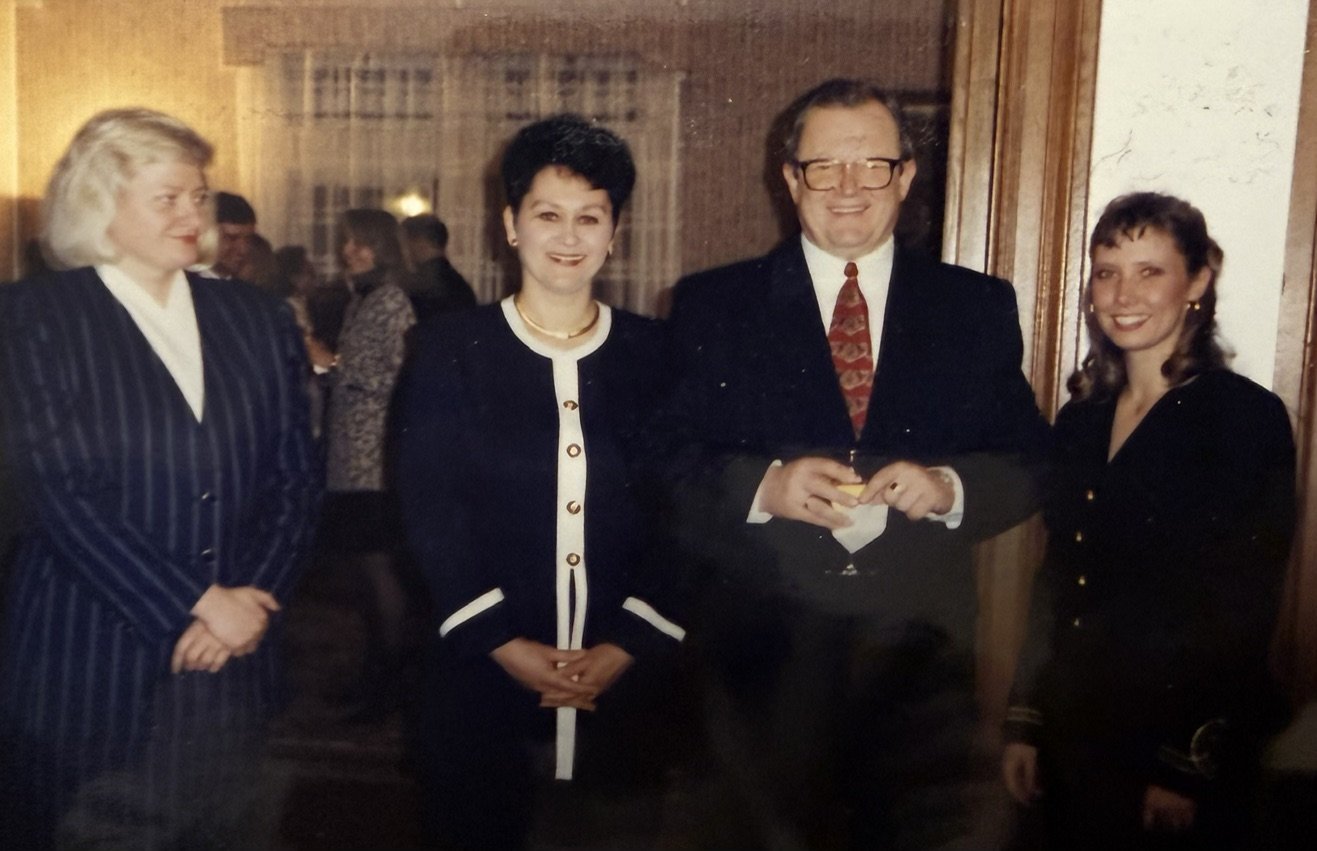
1996 Lithuanian Independence Day celebration with Ambassador Alfonsas Eidintas and his wife, Birutė Eidintienė. On the left, Dalia Grybauskaitė, who in 2009 became Lithuania's first female president.
How did I make the choice? While I didn't have this distinction then, I remember going back to one of my professors and asking him what to do. He said, "Be careful of the foreign region you decide to focus your career on, because you'll need to return there again and again." Did I really want to go back and forth to Moscow? (No.) And then there was me. While New York was exciting, and I thought it would be a good time to "do New York while I was young," who was I kidding? I’ve always been ready to go to bed around the time New York parties are getting started! And I love nature and exercise, and the thought of weekend runs along garbage-lined streets on pickup day felt depressing. It didn't "feel" like me, or the me I wanted to become. So I chose Washington. No spreadsheet handed me that answer; I chose it based on who I wanted to be.
The next time you're facing a hard choice, perhaps the question isn't "Which option is better?" but "Who do I want to become?" What about you? What hard choice are you facing, and how are you approaching it? Drop me a note, I'd love to hear.
P.S. If this conversation intrigues you and you'd like support with your own next hard choice, feel free to reach out. Executive coaching offers a thoughtful space to reflect, gain clarity, and move forward with intention.
Great Link
How to Make Hard Choices (14:27)
Reflection Exercise: Moving from Theory to Action
To support you when you face your next hard choice:
What hard choice is in front of you right now, and what values are pulling you in different directions?
Who do you want to become in this next chapter, and which option helps you grow into that person?
Are there places in your life might you be drifting on autopilot, and what would it look like to step back into authorship?
What would it mean to fully commit to your choice, putting your whole self behind it rather than second-guessing the road not taken?
Quarterly Quote
"Let yourself be silently drawn by the strange pull of what you really love. It will not lead you astray." — Rumi
Book Review
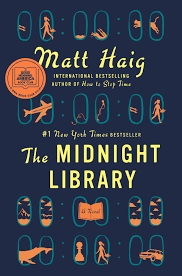
The Midnight Library
By: Matt Haig
This global bestseller is an enchanting story that sits right at the heart of this topic. Nora Seed finds herself in a library between life and death, where each book holds a version of the life she could have lived if she had made a different choice along the way. Stayed in the band? Married her fiancé? Pursued her Olympic swimming dream? While we all wonder how our lives might have turned out, what if you could actually go to the library and see for yourself? Would any of these other lives truly be better? Much like Ruth Chang's insight, Nora discovers there is rarely an objectively "better" path, only different lives reflecting different values, and that regret often comes from imagining the other path as objectively better rather than simply different. It's a quick, thought-provoking read that invites us to make peace with our choices and live more fully the life in front of us.